
Cultivating Connections: The Art of Community Engagement
Harnessing the Power of Local Landscaper Networking
Effective local landscaper networking is key to building a strong community presence. Networking gives landscapers a platform to connect with fellow professionals, share insights, and collaborate on projects. By attending local events and joining industry groups, landscapers can build meaningful relationships that lead to new business opportunities. Networking not only boosts your visibility but also helps you exchange valuable knowledge about local market trends and client preferences, paving the way for mutual success.
Building Bridges with Neighborhood Garden Projects
Neighborhood garden projects offer a unique avenue for landscapers to connect with local communities. By participating in or sponsoring these projects, landscapers can showcase their expertise while contributing to the community’s aesthetic and environmental well-being. These projects often attract a wide range of participants, from novice gardeners to seasoned horticulturists, providing an excellent opportunity for landscapers to engage with potential clients. Working on such initiatives also helps build trust and rapport within the neighborhood.
Fostering Unity through Landscaper Community Workshops
Organizing or participating in landscaper community workshops fosters unity and collaboration. These workshops are excellent for sharing landscaping knowledge, demonstrating sustainable practices, and promoting eco-friendly solutions. Workshops can cover a variety of topics, such as efficient water usage, native plants, or sustainable garden designs. By offering your expertise through these events, you not only reinforce your standing as a local authority but also strengthen community bonds and encourage participation in community landscaping efforts.
The Green Thumb Alliance: Collaborative Strategies for Landscapers
Landscape Design Collaboration for Community Impact
Engaging in landscape design collaboration can significantly impact community spaces. By working together, landscapers and local stakeholders can transform public areas into vibrant, sustainable environments. Collaborative efforts often result in innovative designs that cater to the community’s specific needs and preferences, fostering a sense of ownership and pride. Joint projects not only enhance neighborhood aesthetics but also encourage community participation through volunteer efforts and local events.
Local Lawn Care Partnerships: Strength in Numbers
Forming local lawn care partnerships strengthens individual businesses and contributes to a healthy environment. By collaborating with other lawn care providers, landscapers can offer comprehensive service packages, including organic lawn maintenance and pest control. These alliances also benefit marketing efforts, allowing landscapers to reach a wider audience while presenting a united front to potential clients. Sharing resources and expertise through partnerships can lead to more efficient operations and improved customer satisfaction.
Garden Club Initiatives: Cultivating Community Spirit
Garden club initiatives provide an excellent platform for landscapers to engage with the community. By participating in or supporting local garden clubs, landscapers can share their knowledge on plant selection, garden design, and maintenance techniques. These initiatives often include hosting educational workshops, plant swaps, and community planting events. By fostering a sense of community spirit and a shared passion for gardening, landscapers can build strong customer relationships and demonstrate their commitment to environmental stewardship.
Eco-Innovation: Sustainable Practices for Community Landscapers
Championing Sustainable Landscaping Practices
To establish themselves as environmentally conscious leaders, landscapers must champion sustainable landscaping practices. Implementing eco-friendly techniques – such as using drought-resistant plants and organic fertilizers – not only enhances the landscape but also underscores the landscaper’s commitment to environmental stewardship. Educating clients about the benefits of sustainable practices and integrating them into projects helps landscapers build a reputation as trusted advisors in the community.
Community Green Space Development: A Shared Vision
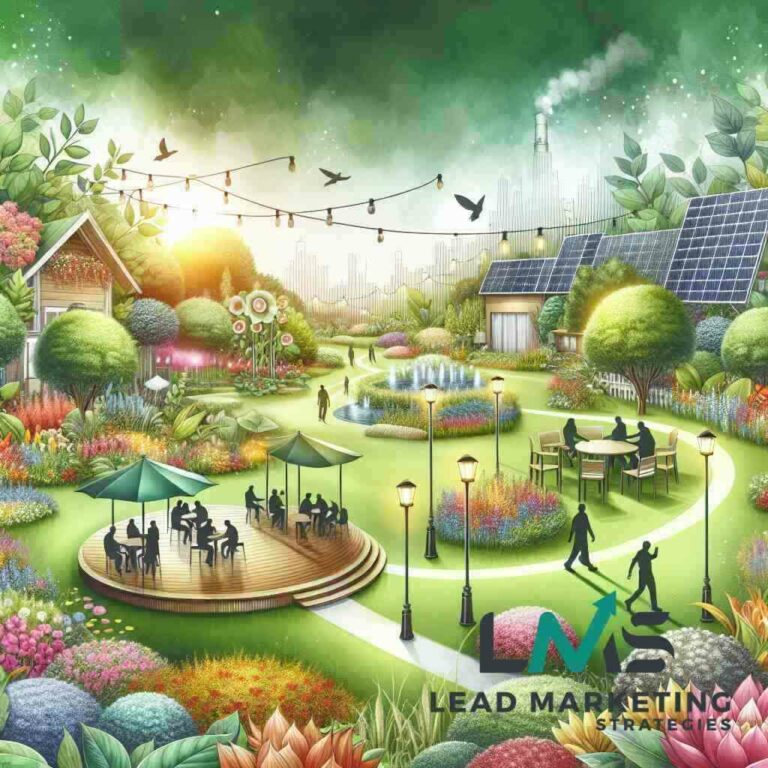
Community green space development requires the collaboration of various stakeholders working toward a common goal. Landscapers play a crucial role by contributing their expertise in designing functional, accessible, and attractive spaces for recreation and relaxation. These green spaces enhance quality of life in urban settings by providing health benefits, reducing stress, and promoting biodiversity. By actively participating in creating and maintaining these areas, landscapers reinforce their value as contributors to community well-being.
Local Eco-Friendly Landscaping: A Path Forward
Pursuing local eco-friendly landscaping initiatives is essential for a sustainable future. By incorporating native plants and minimizing chemical usage, landscapers can create gardens that thrive naturally and require less maintenance. Educating community members about the benefits of eco-friendly practices not only promotes a greener approach but also positions the landscaper as a knowledgeable advocate for sustainable living. Through these efforts, landscapers can lead the community in a collective push toward environmental responsibility.
1) Digital Roots: Online Platforms for Community Engagement
Leveraging Social Media for Local Landscaper Engagement
Mastering social media engagement for landscapers is essential for connecting with the community. Social media platforms provide an opportunity to showcase projects, share tips, and engage with a wider audience. By consistently posting valuable content and interacting with followers, landscapers can build a strong online presence. This strategy not only helps attract potential clients but also reinforces the landscaper’s position as a local expert.
Creating Online Forums for Neighborhood Beautification Projects
Establishing online forums for landscaper community beautification projects fosters collaboration and open communication. These forums serve as a platform for community members to share ideas, discuss plans, and coordinate efforts. By facilitating open dialogue, landscapers can engage with residents, gain insights into their preferences, and involve them in upcoming projects. Online forums can significantly enhance community involvement and ensure that beautification projects align with local desires and needs.
Virtual Landscaper Skill-Sharing Sessions: Expanding Reach
Hosting virtual landscaper skill-sharing sessions enables landscapers to reach a broader audience and extend their expertise beyond geographical boundaries. These sessions can cover a wide array of topics, from seasonal planting tips to advanced landscape design principles. By offering valuable knowledge online, landscapers can establish themselves as industry leaders and cultivate interest in community projects. Virtual sessions also provide flexibility and convenience, encouraging participation from those who may not be able to attend in-person events.
2) Hands-On Harmony: Practical Community Involvement
Landscaper Volunteer Opportunities: Giving Back to the Community
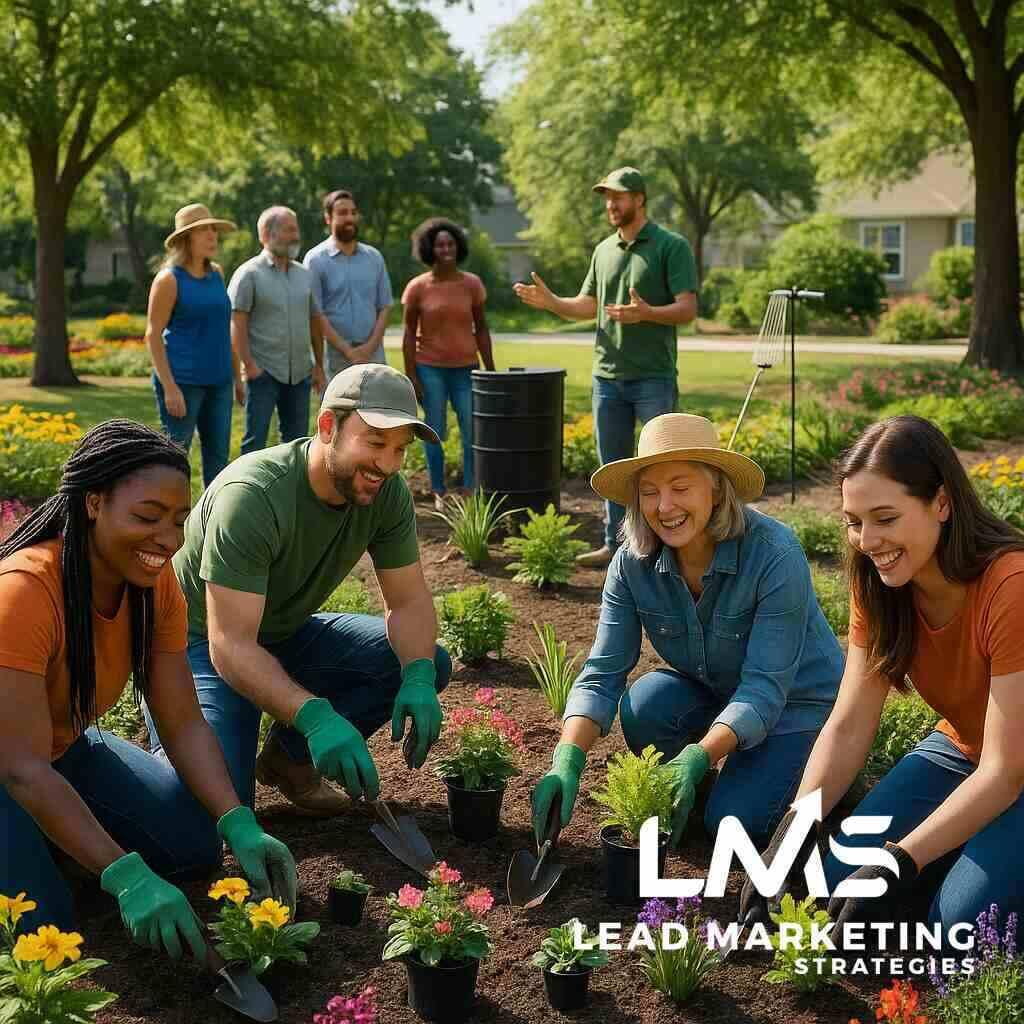
Landscaper volunteer opportunities present a meaningful way to give back to the community. By offering services to schools, parks, and community centers, landscapers can make a tangible impact on public spaces. Volunteering enhances the landscaper’s local reputation and fosters goodwill within the community. Participation in volunteer projects not only strengthens community ties but also provides a platform for showcasing expertise and dedication to the local environment.
Neighborhood Landscaping Committees: Collective Decision-Making
Forming or participating in neighborhood landscaping committees encourages collective decision-making and fosters community ownership of local projects. These committees provide a forum for discussing landscaping goals, planning initiatives, and addressing community concerns. By actively engaging with residents and incorporating their feedback, landscapers can ensure that projects meet local needs and preferences. This collaborative approach strengthens community bonds and promotes a sense of shared responsibility for the neighborhood’s appearance.
Community Landscaping Challenges: Encouraging Participation
Organizing community landscaping challenges invigorates community involvement and encourages friendly competition. These challenges can focus on various themes, such as drought-resistant gardens or pollinator-friendly landscapes. By promoting these contests, landscapers inspire residents to contribute creatively to their environment. The collective effort not only enhances the neighborhood’s beauty but also cultivates a sense of pride and accomplishment among participants.
3) Educational Endeavors: Cultivating Knowledge and Skills
Local Horticulture Education: Growing Expertise
Promoting local horticulture education is a valuable initiative that helps build community expertise. By offering workshops, seminars, and online resources, landscapers can educate community members on topics such as plant care, soil management, and sustainable practices. This knowledge empowers residents to make informed decisions about their gardens and contributes to the overall success of community landscaping projects.
Landscaper-Led Community Classes: Sharing Wisdom
Offering landscaper-led community classes provides an opportunity to share practical knowledge and build rapport with local residents. These classes can cover a range of topics, from basic gardening techniques to advanced landscape design concepts. Through interactive learning experiences, landscapers can engage with the community, establish their credibility, and inspire residents to take an active role in enhancing their surroundings.
Community Garden Sponsorship: Investing in Growth
By participating in community garden sponsorship, landscapers demonstrate their commitment to local growth and sustainability. Sponsorship can involve providing resources, expertise, or financial support for community garden projects. These gardens serve as living laboratories where residents can learn, experiment, and take pride in their contributions to the community. By investing in such initiatives, landscapers reinforce their role as community advocates and champions of green spaces.
4) Seasonal Strategies: Timely Community Landscaping Initiatives
Springtime Neighborhood Lawn Care Support
In spring, offering neighborhood lawn care support prepares the community for the growing season. Landscapers can provide services such as soil testing, fertilization, and aeration to ensure healthy, lush lawns. These services not only improve the neighborhood’s green spaces but also encourage engagement with seasonal landscape maintenance. By prioritizing timely support, landscapers help residents achieve their landscaping goals and foster a sense of community pride.
Summer Landscape Community Outreach Programs
During summer, organizing landscape community outreach programs can inspire involvement and deepen appreciation for outdoor spaces. Activities such as nature walks, plant identification workshops, and garden tours highlight the beauty and diversity of local landscapes. These events give residents an opportunity to engage with nature and develop a deeper understanding of their environment. By leading community events, landscapers can showcase their expertise and strengthen community relationships.
Autumn Community Landscape Planning and Preparation
In autumn, focusing on community landscape planning sets the stage for future improvement projects. Landscapers can collaborate with residents to design new gardens, plant trees, and implement environmentally sustainable practices. Preparing for winter through strategic planning ensures that the community’s outdoor spaces remain vibrant and well-maintained year-round. Through proactive engagement, landscapers demonstrate their commitment to community advancement and sustainability.
Conclusion: Blossoming Together – The Future of Community Landscaping
Reflecting on the Impact of Community Engagement
Community engagement in landscaping creates a lasting legacy of beauty, sustainability, and connection. By actively participating in various initiatives, landscapers can foster a sense of unity and pride within the community. Reflecting on the positive outcomes of these efforts reinforces the value of collaboration and underscores the landscaper’s role as a community leader.
Envisioning a Greener, More Connected Future
Looking ahead, building a greener, more connected community remains a worthwhile and achievable goal. Through sustained collaboration and the adoption of eco-friendly practices, landscapers and community members can work together to cultivate vibrant, sustainable landscapes. This vision encourages continued investment in community partnerships and innovative solutions to environmental challenges.
Call to Action: Join the Movement for Community Growth
Now is the time for landscapers to join the movement for community growth and environmental stewardship. By partnering with Landscaping Marketing Strategies, landscapers can access the tools and strategies needed to thrive in a competitive market. Together, we can create a more beautiful, sustainable, and connected future for all.
Frequently Asked Questions
Question: How can local landscaper networking influence community engagement and benefit my landscaping business?
Answer: Local landscaper networking is a vital component of successful community engagement. By attending local events and connecting with other professionals, you not only enhance your visibility but also open doors to collaboration and shared learning through local engagement. Landscaping Marketing Strategies supports these networking efforts by offering customized digital marketing solutions that extend your reach and influence. Through networking, you gain insights into local market trends and preferences, which can refine your approach and drive new business opportunities.
Question: How can participating in neighborhood garden projects help build my reputation as a local landscaping expert?
Answer: Participating in neighborhood garden projects allows you to showcase your expertise and dedication to community well-being. These projects provide a platform to engage with residents, display your skills, and promote sustainable practices. Landscaping Marketing Strategies can boost your online presence through strategic SEO services and garden care social media marketing, helping you reach more participants and potential clients. Your involvement builds trust and rapport within the community, positioning you as a trusted advisor and leader in sustainable landscaping.
Question: What role do landscaper community workshops play in promoting eco-friendly landscaping practices?
Answer: Landscaper community workshops are essential for sharing knowledge about sustainable landscaping practices. These workshops highlight eco-friendly solutions and demonstrate efficient techniques such as water conservation and the use of native plants. Landscaping Marketing Strategies can amplify your educational efforts through horticulture marketing strategies, enhancing your role as a community educator. By engaging locals in these informative sessions, you bolster your reputation as an environmentally conscious landscaper committed to promoting green space marketing and sustainability.
Question: How can landscape design collaboration impact community landscape development, as mentioned in the blog “Top 4 Community Building Tips for Landscapers Near Me”?
Answer: Engaging in landscape design collaboration with local stakeholders leads to transformative changes in community spaces. By collaborating, you align design projects with community desires, creating vibrant and sustainable environments that promote community involvement. Landscaping Marketing Strategies supports these initiatives through tailored landscaping web design solutions that highlight your collaborative projects online. This approach not only enhances your visibility but also establishes you as a partner in community advancement, fostering a sense of ownership and pride among local residents through landscaping marketing strategies.
Question: How can forming local lawn care partnerships enhance both my business and environmental stewardship?
Answer: Forming local lawn care partnerships allows you to offer comprehensive services while promoting environmental health. Collaborations enable shared resources and expertise, making your operations more efficient and customer-focused. Landscaping Marketing Strategies provides lawn maintenance SEO and branding solutions to expand your reach in the market. By presenting a united front with fellow providers, you strengthen your business positioning while contributing to ecological sustainability, making you a leader in the community’s green initiatives.

The Landscaping Marketing Strategies Team
Our team of marketing experts specializes in helping landscapers grow their businesses through strategic digital marketing, SEO, and customer acquisition.
View all articles