Unveiling the Future of Landscaping
The Intersection of Technology and Nature
As we look toward 2024, the fusion of technology and nature in landscaping becomes increasingly prominent. Innovative landscaping strategies now incorporate advanced tools like AI in landscape design for planning and execution. This approach not only enhances efficiency but also introduces precision previously unimaginable in landscape design. Moreover, intelligent irrigation technologies are transforming how water resources are managed, offering eco-friendly and cost-effective solutions. Intuitive integration of these digital advancements into natural settings ensures that landscapes not only thrive but also sustain ecological balance, paving the way for the future of modern garden design ideas.
Eco-Conscious Design Trends
Today’s landscapers and garden designers are increasingly prioritizing eco-friendly garden design ideas. This shift focuses on sustainability, using materials and techniques that minimize environmental impact. Incorporating renewable resources and zero-waste principles into garden planning is becoming commonplace. Eco-friendly vertical garden systems are gaining traction, particularly in urban environments where space is limited. This method not only offers aesthetic appeal but also supports biodiversity. Emphasizing native plant landscaping further aids in nurturing local ecosystems, promoting resilience and ecological harmony in our everyday landscapes.
The Rising Demand for Sustainable Solutions
The demand for sustainable landscaping solutions is on the rise, driven by environmental awareness and climate challenges. Landscapers are now more than ever incorporating sustainable green space marketing strategies to reach environmentally conscious consumers. Methods such as drought-resistant planting strategies and the implementation of xeriscaping innovation are becoming essential in addressing water scarcity issues. Additionally, there is a pronounced shift towards landscape automation technology, which optimizes resource use and enhances performance over time. By choosing sustainable practices, landscapers not only present responsible service offerings but also contribute significantly to environmental conservation efforts.
1 – Smart Irrigation Systems: Revolutionizing Water Management
Automated Lawn Care Systems
Automated lawn care systems are transforming traditional landscaping practices, offering a blend of technology and efficiency. By integrating networked sensors and climate-data analytics, these systems provide real-time feedback, enabling precise irrigation tailored to the specific needs of plant life. The use of innovative irrigation technologies advertising ensures landscapes remain lush and healthy while reducing water waste. Homeowners can now control their garden’s watering schedule through smartphone apps, making lawn care more convenient than ever. Additionally, these automated solutions can save considerable time and resources, allowing landscapers to focus on other aspects of design and maintenance.
Water-Conserving Irrigation Methods
Embracing water-conserving irrigation methods is essential for sustainable landscaping in water-sensitive regions. Drip irrigation systems and soil moisture sensors play pivotal roles in this transformation, offering efficient water delivery directly to plant roots. These methods help prevent overwatering and reduce evaporation, supporting eco-conscious garden techniques. Combining traditional irrigation practices with modern innovations leads to a more sustainable water management approach. By highlighting these techniques, landscapers can effectively advertise their commitment to environmental sustainability, appealing to eco-aware consumers seeking resource-efficient solutions.
Climate Adaptive Planting Strategies
Developing climate-adaptive planting strategies is critical in regions facing changing weather patterns and uncertain climates. By selecting drought-tolerant and native species, landscapers can create resilient landscapes that thrive despite fluctuations in precipitation and temperature. Implementing drought-resistant planting strategies can minimize the need for supplemental irrigation, further conserving water resources. Additionally, climate-adaptive designs incorporate plant diversity, reducing susceptibility to pests and disease. These strategies not only enhance the visual appeal of landscapes but also reinforce their ecological resilience and long-term sustainability.
2 – Vertical Garden Systems: Reimagining Spatial Aesthetics
Integration with Urban Environments
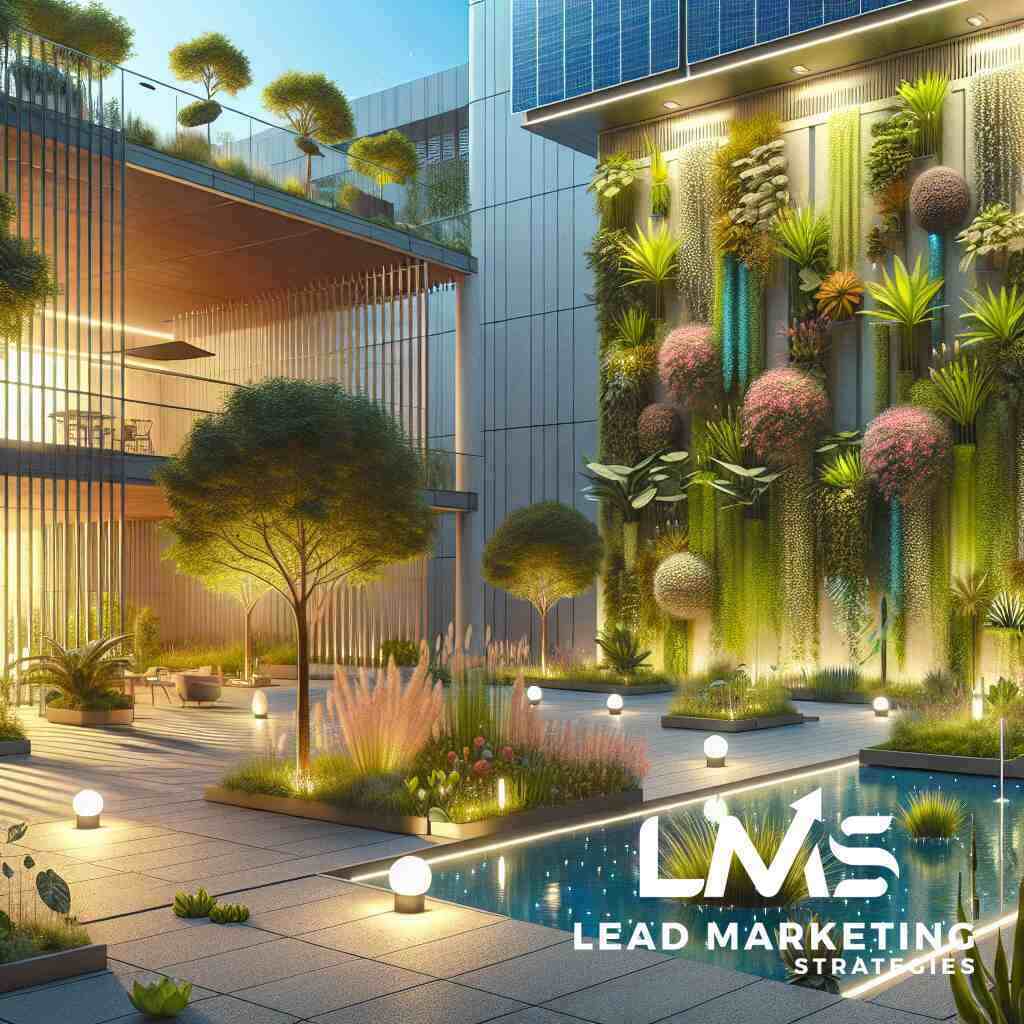
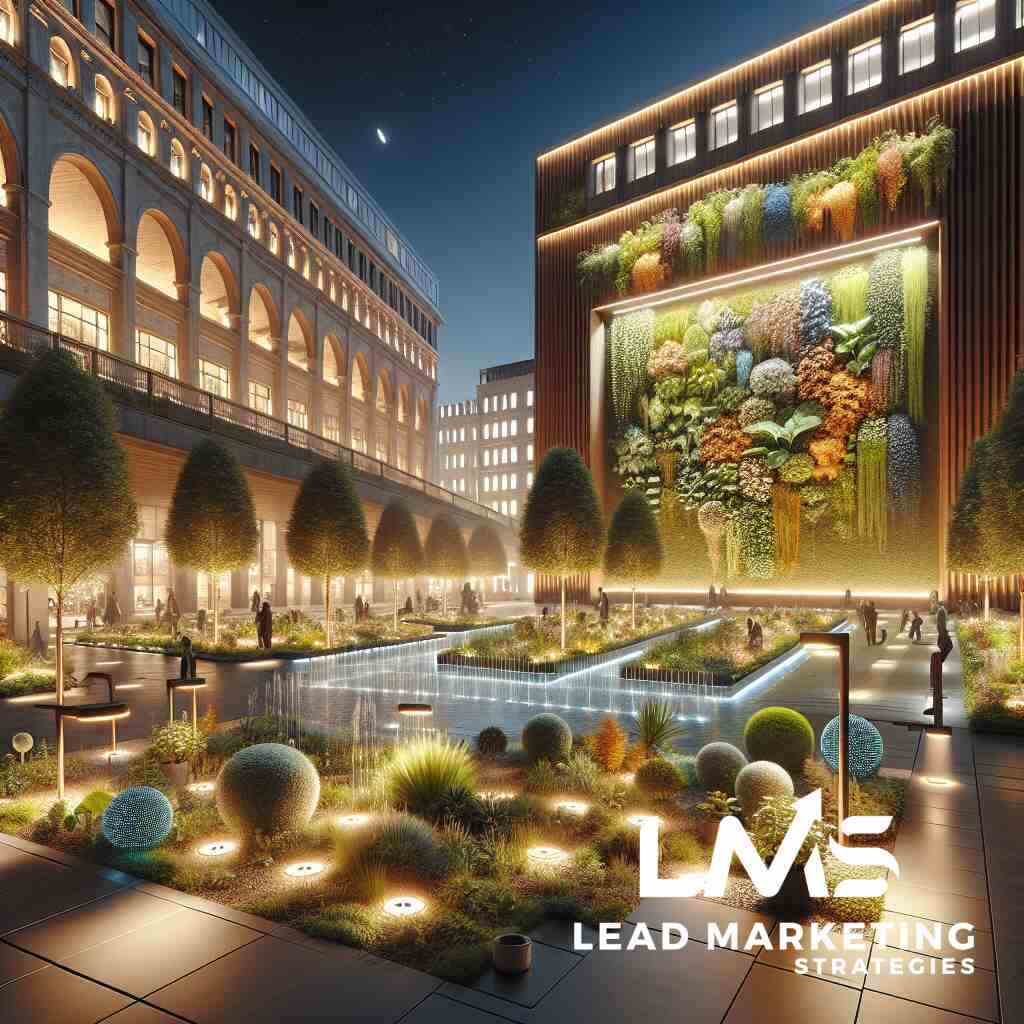
Vertical garden systems offer a revolutionary approach to urban landscaping, where space constraints often pose a challenge. By leveraging these systems, developers, and homeowners can enhance building aesthetics while creating vibrant green spaces in limited areas. This concept not only maximizes space but also introduces eco-friendly vertical garden systems that contribute to urban biodiversity. In tightly packed cities, these green walls can promote air quality improvements and noise reduction. As cities increasingly embrace sustainable development, eco-friendly vertical garden systems are becoming a cornerstone of modern landscape architecture. Integrating them seamlessly with the urban fabric, they redefine how we perceive and engage with our built environments.
Native Plant Landscaping Advantages
Incorporating native plants in vertical gardens brings extensive benefits, both environmentally and visually. Native species are naturally adapted to the local climate, requiring less water and maintenance, aligning with eco-conscious garden techniques. These plants support local biodiversity, offering habitats for pollinators like bees and butterflies. Furthermore, using native flora fosters a connection to the regional landscape, enhancing the sense of place and community identity. With growing awareness around sustainable practices, landscapers adopt these strategies to create resilient and dynamic spaces. By doing so, they lay the groundwork for climate-resilient landscaping on Long Island, supporting ecosystems that thrive amid environmental changes.
Innovations in Xeriscaping Techniques
Xeriscaping is seeing remarkable innovation as water conservation efforts intensify across the landscaping industry. This method involves designing landscapes that reduce or eliminate the need for irrigation, using drought-resistant plants and strategic planning. Recent advancements in modern xeriscaping features have introduced diverse plant palettes and creative design techniques, making xeriscaping both functional and visually appealing. Landscapers are now integrating modern materials and technologies to enhance these spaces, tackling water scarcity concerns without compromising beauty. As such, xeriscaping is emerging as a pivotal trend in sustainable garden design, echoing a commitment to efficient and eco-friendly landscaping solutions.
3 – Renewable Landscaping Resources: Embracing Zero-Waste Practices
Sustainable Landscaping Solutions
In today’s environmentally conscious era, sustainable landscaping solutions are at the forefront of innovative landscaping strategies. By utilizing materials that are locally sourced and biodegradable, landscapers minimize their ecological footprint. This practice extends to using sustainable landscaping resource techniques, such as the integration of composting systems for garden maintenance and employing green technologies for energy efficiency. The adoption of these practices not only showcases a commitment to sustainability but also enhances the appeal of outdoor spaces, making them inviting and eco-friendly.
Zero-Waste Landscaping Practices
The shift towards zero-waste landscaping practices is revolutionizing the industry near New York and beyond, focusing on reducing environmental impact. These practices encourage the incorporation of recycled materials and thoughtful waste management in landscape design. By employing zero-waste landscaping practices near New York, landscapers can reduce excess waste and promote a cyclical use of resources. These initiatives not only preserve natural resources but also align with consumer preferences for sustainable living, adding significant value to residential and commercial landscapes.
Drought-Resistant Plants Landscaping
Landscaping with drought-resistant plants is a robust response to water scarcity challenges, providing an enduring solution for sustainable landscapes. By selecting plant species native to arid climates or those genetically suited for minimal water environments, landscapers can create lush, vibrant landscapes that demand less water. Incorporating advanced garden renewable resources management further enhances the vitality of these landscapes. This approach not only conserves water but also ensures that outdoor spaces remain resilient in the face of climate change, delivering beauty that endures.
4 – Landscape Technology Integration: Bridging Digital and Green Spaces
AI Landscape Design Tools
AI technology is revolutionizing landscape design by streamlining processes and enhancing precision. These tools enable landscapers to create highly customized garden layouts, predicting growth patterns and visual outcomes. By incorporating AI in landscape design, designers can visualize spaces with unprecedented accuracy, tailoring each element to the client’s vision and environmental needs. The integration of AI ensures that design errors are minimized, saving time and resources while optimizing the landscaping process. As the industry moves towards innovative solutions, AI’s role in landscape architecture is expanding, offering landscapers and clients alike a seamless design experience that blends aesthetics with ecological responsibility.
Digital Landscape Design Platforms
Digital platforms are reshaping the landscape design industry by providing intuitive tools for creating and visualizing garden projects. These platforms offer advanced rendering capabilities, allowing designers to simulate various design scenarios before any physical alterations occur. With digital landscape design tools enhancement, landscapers can easily modify plans, address client feedback, and refine designs in real-time. Such platforms improve collaboration, as they enable multiple stakeholders to participate in the design review process, ensuring that the final landscape perfectly aligns with the client’s objectives. As digital solutions become more sophisticated, they are catalyzing innovation in landscape architecture, helping professionals craft unique, functional, and beautiful outdoor spaces.
Smart Home Integration for Landscaping
Integrating smart home technologies into landscaping bridges the gap between digital convenience and outdoor living spaces. This trend involves utilizing smart home garden integration designs that connect garden features with home automation systems, allowing for streamlined control of lighting, irrigation, and environmental monitoring. Imagine having the ability to adjust your garden’s ambiance with a voice command or automate watering schedules based on weather forecasts, optimizing both plant health and water usage. As the smart home trend continues to evolve, it offers new opportunities for creating seamless, sustainable, and highly responsive garden environments that align with modern lifestyles. Landscape professionals incorporating these technologies are at the forefront of an industry transformation that combines high-tech convenience with ecological responsibility.
5 – Eco-Friendly Garden Features: Enhancing Outdoor Living Spaces
Solar-Powered Garden Accessories
Solar-powered garden accessories are becoming essential in creating eco-friendly outdoor areas. These innovations harness renewable energy, reducing reliance on traditional power sources. From solar lanterns to fountains, they offer sustainable solutions that enhance garden aesthetics. Utilizing solar-powered garden features technologies not only lightens up your garden but also supports a commitment to the environment. Homeowners and landscapers are increasingly gravitating towards these technologies, seeing them as pivotal in the pursuit of sustainable living. As solar technology advances, the range and efficiency of garden accessories continue to expand, making them a smart choice for eco-conscious landscape design.
LED Landscape Lighting Solutions
LED landscape lighting solutions represent a cutting-edge innovation in garden illumination, offering both efficiency and style. These lights provide bright, targeted illumination while consuming significantly less energy compared to traditional options. The development of garden lighting solutions advances means homeowners can now enjoy beautifully lit exteriors that are both eco-friendly and cost-effective. LEDs have a longer lifespan, reducing maintenance efforts and costs over time. As such, they align perfectly with sustainability goals, making them a favorite among landscapers for residential and commercial projects looking to incorporate modern garden design ideas with environmental responsibility.
Green Roofing Techniques
Green roofing techniques are redefining urban landscapes by transforming rooftops into vibrant ecosystems. By integrating vegetation on building roofs, green roofs provide natural insulation, reduce rainwater runoff, and enhance urban biodiversity. This innovative form of landscaping not only improves aesthetic value but also contributes to a property’s energy efficiency. As part of a broader trend towards eco-friendly solutions, green roofing aligns with innovative landscaping strategies, emphasizing sustainability and resource conservation. Landscapers championing these techniques are setting new standards in eco-conscious urban development, showing how traditional spaces can evolve to meet modern environmental challenges.
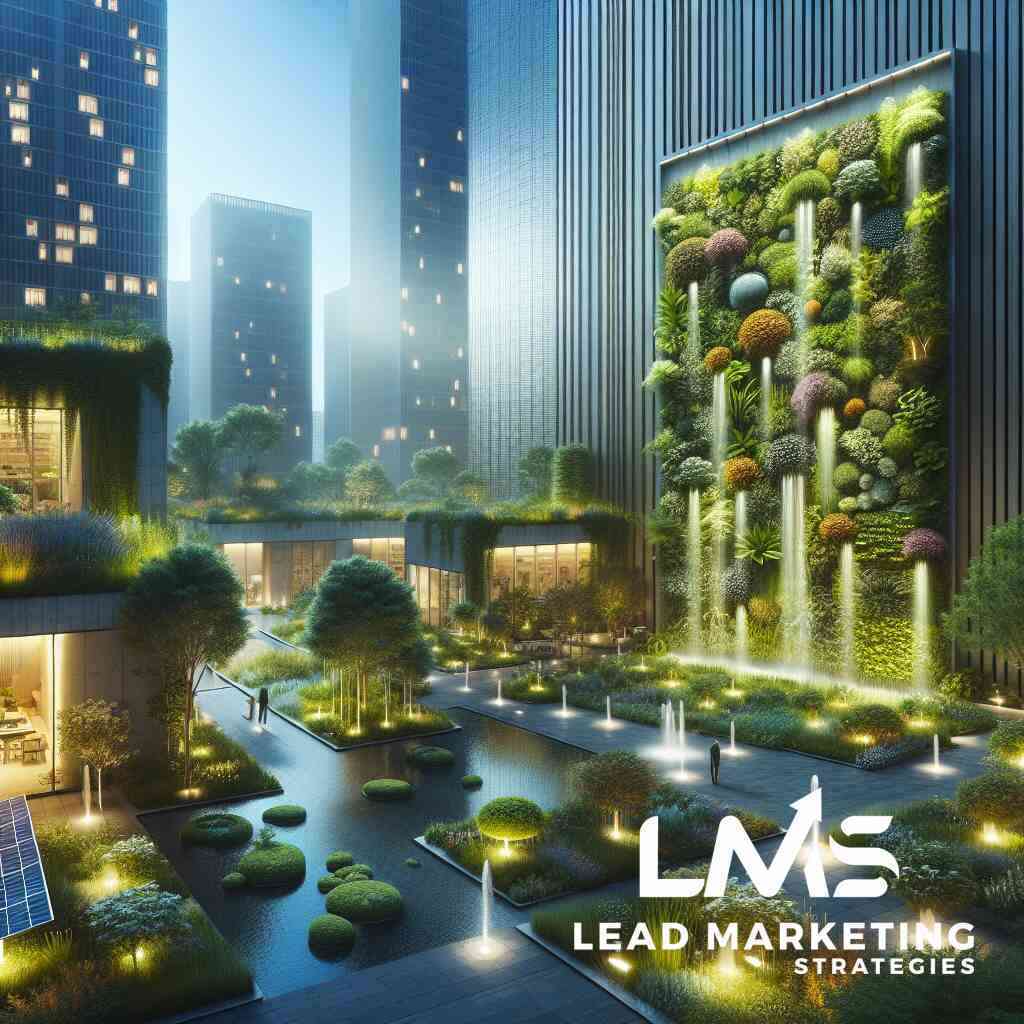
A Visionary Outlook on 2024 Landscaping Innovation
Predicting Future Trends
As we step into 2024, the landscape industry stands at the precipice of transformative growth, shaped by groundbreaking trends and innovations. The convergence of eco-friendly garden features and advanced technology has set the stage for a future where outdoor spaces are more innovative, more sustainable, and aesthetically pleasing. Anticipated advancements in landscape technology integration will enable professionals to harness digital tools like AI for unparalleled precision in design. This evolution not only enhances efficiency but also aligns with the global push towards sustainable landscaping solutions, setting a new standard for the industry.
The Role of Innovative Practices in Landscaping
Innovative practices in landscaping continue to redefine boundaries, merging creativity with environmental stewardship. By adopting landscape automation innovations, professionals can optimize resource use, ensuring landscapes are maintained with minimal human intervention. Such innovations promote an eco-conscious approach, integrating intelligent irrigation systems and smart home integration for landscaping to maintain vibrant garden ecosystems. As landscapers navigate this evolving landscape, embracing innovation becomes imperative, not only to meet client demands but also to contribute to a more sustainable and resilient environmental future.
Unifying Garden Design with Technology
The unification of garden design with technology is a pivotal theme as landscapers adopt new tools to enhance their creations. Digital landscape design platforms now allow for real-time modifications and seamless collaboration, fostering creativity and ensuring client satisfaction. As the industry moves forward, these platforms are becoming essential in bridging the gap between digital visualization and physical transformation. Moreover, innovations like green roofing techniques and zero-waste landscaping practices near New York are critical in crafting eco-friendly landscapes that resonate with modern sensibilities, supporting both aesthetic and environmental goals. By integrating these technologies, landscapers can offer a holistic design experience, positioning themselves at the forefront of the industry’s future landscape.
Frequently Asked Questions
Question: How do Landscaping Marketing Strategies help businesses integrate intelligent irrigation systems from the blog ‘Top 5 Innovative Landscaping Trends to Watch in 2024’?
Answer: Landscaping Marketing Strategies provides dedicated digital marketing solutions that help your business highlight the eco-friendly benefits and efficiency of intelligent irrigation systems. Top 5 Landscaping Marketing Trends in Texas for 2024 Through targeted web design and landscaping SEO services, we ensure your services stand out to environmentally conscious consumers. Our emphasis on sustainable landscaping solutions means your landscaping business is promoted effectively, helping you engage clients interested in innovative technologies like intelligent irrigation. Top 10 Landscaping SEO Techniques for 2024
Question: What role do vertical garden systems play in modern urban design according to Landscaping Marketing Strategies?
Answer: Vertical garden systems are an integral aspect of modern urban landscaping, offering a creative solution to space constraints while promoting biodiversity. Landscaping Marketing Strategies aid your business in showcasing these eco-friendly features through tailored advertising approaches. By utilizing social media marketing and environmentally focused online promotions, we help your landscape architecture SEO efforts reach those looking to integrate these sustainable systems into urban settings. Refer to How to Utilize Social Media in Landscaping Marketing?
Question: How can AI landscape design tools enhance client satisfaction, as discussed in your recent blog?
Answer: AI landscape design tools offer unprecedented precision and customization, allowing landscapers to predict growth patterns and ensure optimum visual outcomes. Landscaping Marketing Strategies excels at leveraging these advanced tools to enhance your business’s appeal by presenting these benefits compellingly through landscape gardening advertising and horticulture marketing strategies; check out Top Marketing Strategies for Horticulture Services. This approach not only boosts client satisfaction but also aligns your offerings with the cutting-edge trends highlighted in our blog; visit Innovation in Garden Design Marketing Near You.
Question: How do zero-waste landscaping practices help attract environmentally aware customers?
Answer: Embracing zero-waste landscaping practices sets a new standard for sustainability by minimizing environmental impact and utilizing resources efficiently. Gardening businesses that implement these strategies find enhanced customer engagement, driven by the growing preference for sustainable living; see more on Engaging Your Community Through Landscaping. Landscaping Marketing Strategies can emphasize your commitment to zero-waste through effective lawn care SEO and promotional campaigns, ensuring that your eco-conscious practices resonate broadly and attract an enthusiastic client base.
Question: What benefits can landscaping businesses expect from integrating solar-powered garden accessories, as noted in your innovative landscaping trends overview?
Answer: Solar-powered garden accessories offer substantial benefits in terms of sustainability and cost-efficiency, reducing traditional energy use while enhancing the aesthetic appeal of outdoor spaces. By incorporating these eco-friendly garden features into your landscaping services, businesses can meet the increasing demand for renewable solutions. What is the Ultimate Approach to Eco-Friendly Landscaping? Landscaping Marketing Strategies helps your brand communicate these advantages through strategic digital marketing and outdoor living space enhancements, effectively reaching eco-conscious audiences and solidifying your market position. Refer to The Difference Between Organic and Paid Searches for Landscapers.

The Landscaping Marketing Strategies Team
Our team of marketing experts specializes in helping landscapers grow their businesses through strategic digital marketing, SEO, and customer acquisition.
View all articles