Introduction to Community Engagement for Landscapers
Understanding the Importance of Community Connections
Building strong community connections is fundamental for landscapers aiming to thrive in New York‘s dynamic environment. These connections foster a robust local network while driving increased customer loyalty and trust. As landscapes shape neighborhoods, landscapers serve as key players in enhancing the local environment and strengthening community spirit. By actively engaging with the community, landscapers can demonstrate their commitment to improving public spaces, which significantly enhances their reputation and business prospects. Through meaningful interaction and a clear understanding of community needs, landscapers position themselves as valuable contributors to local well-being and sustainability.
The Role of Landscapers in Urban Development
Landscapers are pivotal in the urban development process, especially in a bustling state like New York. They play a crucial role in designing and maintaining aesthetically pleasing, functional green spaces that are essential for urban dwellers. Green spaces improve air quality, provide recreational areas, and boost property values. Landscapers contribute by integrating sustainable practices that align with urban green initiatives, thereby supporting broader environmental goals. As urban areas continue to grow, the expertise of landscapers becomes increasingly vital in ensuring balanced development that prioritizes ecological health and community needs.
Leveraging Local Networks for Business Growth
Developing and nurturing local networks is a powerful strategy for landscapers seeking business growth. Participating in community events, joining local business associations, and engaging with neighborhood groups all enhance visibility and credibility. These connections often lead to valuable business opportunities, from new client referrals to collaborative projects with other local businesses. Staying active in local networks also keeps landscapers informed about community preferences and emerging trends, allowing them to tailor services more effectively. As relationships deepen, landscapers gain insights into stronger marketing strategies and customer engagement techniques that support sustained growth and community impact.
1) Sustainable Garden Practices for Community Impact
Eco-Friendly Landscaping Ideas
Incorporating eco-friendly landscaping ideas is an excellent way for landscapers to make a positive community impact while promoting environmental sustainability. Choosing native plants allows landscapers to create gardens that thrive in local conditions with minimal resources, supporting local biodiversity. Water-efficient irrigation systems and rainwater harvesting techniques conserve water resources and enhance landscape resilience. Using organic fertilizers and natural pest control methods maintains soil health and reduces chemical runoff, contributing to cleaner urban environments. These sustainable practices benefit the environment and attract eco-conscious clients, strengthening business reputations in the process.
Promoting Organic Lawn Care Solutions
Promoting organic lawn care solutions is essential for landscapers who want to minimize environmental impact and meet the demands of health-conscious clients. Organic solutions – such as composting, natural fertilizers, and biological pest control – keep lawns maintained without harmful chemicals. Educating clients on the benefits of organic lawn care, including enhanced soil health and reduced pollution, fosters a community culture of sustainability. Organic lawn care also aligns with broader green community initiatives, resonating with clients who prioritize environmental responsibility when choosing service providers. For deeper guidance on this approach, see Understanding What Eco-Friendly Landscaping Tactics Mean.
Integrating Green Community Initiatives
Integrating green community initiatives into landscaping projects strengthens community ties and supports ecological goals. Landscapers can participate in urban greening programs or collaborate on community gardens to enhance local sustainability efforts. By partnering with local environmental organizations, landscapers can offer their expertise to community-driven projects, boosting visibility and demonstrating a genuine commitment to ecological stewardship. These actions improve community landscapes and position landscapers as leaders in promoting sustainable practices, resulting in a lasting community impact.
2) Collaborative Landscape Projects and Partnerships
Building Local Landscape Partnerships
Forging partnerships with local businesses and organizations is key to expanding reach and creating mutually beneficial relationships. By teaming up with local suppliers, landscapers can ensure the use of high-quality, locally sourced materials, which fosters community goodwill. Collaboration with schools, nonprofits, and environmental groups can lead to engaging collaborative landscaping projects, opening doors to new opportunities and strengthening community relationships.
Community-Driven Garden Design
Engaging stakeholders in the garden design process leads to spaces that reflect local character and meet community needs. Community-driven garden design encourages residents to contribute ideas and collaborate on shared spaces, fostering pride and a sense of ownership. These projects also give landscapers direct insight into community preferences, enabling them to tailor services and demonstrate adaptability. By focusing on shared goals and community aesthetics, landscapers can deliver impactful projects that delight and unite neighborhoods.
Enhancing Neighborhood Beautification Initiatives
Beautifying neighborhoods through targeted initiatives is a powerful way for landscapers to showcase their expertise and commitment to community appeal. By engaging in public space landscaping, offering workshops, and participating in beautification campaigns, landscapers can transform underutilized areas into vibrant, welcoming spaces. These initiatives improve property values and community morale while giving landscapers the opportunity to highlight their skills, creativity, and dedication to building aesthetically pleasing environments that benefit all residents.
3) Engaging Community Through Public Space Landscaping
Urban Green Space Development Strategies
Urban areas greatly benefit from strategic green space development, where landscapers play a crucial role in planning and execution. Thoughtfully designed public spaces provide numerous benefits, including increased biodiversity, improved air quality, and enhanced well-being for residents. By focusing on urban landscape development strategies, landscapers can ensure their projects are tailored to meet the unique needs of urban residents. Creating multi-functional spaces with vibrant planting schemes, recreational areas, and sustainable infrastructure supports community health and connectivity.
Public Landscaping Awareness Campaigns
Raising awareness about the importance and benefits of public landscaping projects can galvanize community support and participation. Landscapers can organize informational campaigns showcasing successful projects and the advantages of well-maintained green spaces. Using digital platforms and community events to spread their message ensures that public landscaping efforts gain visibility and appreciation. By cultivating public interest, landscapers can build a strong support base that encourages further investment in communal green spaces, while also enhancing their own professional presence.
Incorporating Resident Engagement in Landscaping
Actively involving residents in landscaping efforts ensures projects resonate with the community, creating more inclusive and vibrant spaces. Soliciting input through planning meetings or surveys helps landscapers understand and incorporate public preferences. Resident engagement leads to greater project satisfaction and ongoing community involvement, fostering a sense of ownership and stewardship. Landscapers who prioritize resident collaboration stand out as attentive, dedicated professionals committed to enhancing local environments while maintaining positive community relations.
4) Seasonal Landscaping Strategies for Community Appeal
Adapting to New York’s Seasonal Changes
Adapting to New York’s distinct seasons is essential for landscapers who want to create year-round appealing landscapes. Each season presents unique challenges and opportunities, requiring strategic planning to ensure sustained landscape beauty and health. Incorporating seasonal plants and updating designs to address shifting weather patterns ensures landscapes remain vibrant throughout the year. By demonstrating expertise in seasonal landscaping strategies, landscapers can cater to diverse client needs and preferences across every season.
Implementing Seasonal Landscape Improvement Plans
Comprehensive seasonal improvement plans allow landscapes to transition smoothly through New York’s varied climates. These plans address changes such as leaf fall, heavy snowfall, and flowering patterns, ensuring landscapes remain pristine regardless of weather. Through regular maintenance and timely updates, landscapers demonstrate their commitment to maintaining property values and community aesthetics. Targeted seasonal strategies differentiate landscapers as attentive professionals and lay the foundation for strong, lasting client relationships.
Showcasing Seasonal Landscaping Trends
Staying current with seasonal trends positions landscapers as forward-thinking professionals who offer innovative solutions to clients. By integrating popular seasonal landscaping trends, landscapers engage clients and generate excitement about landscape possibilities. Highlighting seasonal work in marketing efforts and community events captures attention and demonstrates creativity and versatility. Consistently adapting to timely trends results in landscapes that captivate and endure, elevating landscapers’ profiles within the local community. For more on how seasonal strategies connect to broader marketing efforts, see Exploring the Impact of Seasonal Landscaping Advertising.
5) Local Horticulture Workshops and Education Programs
Organizing Local Landscape Education Programs
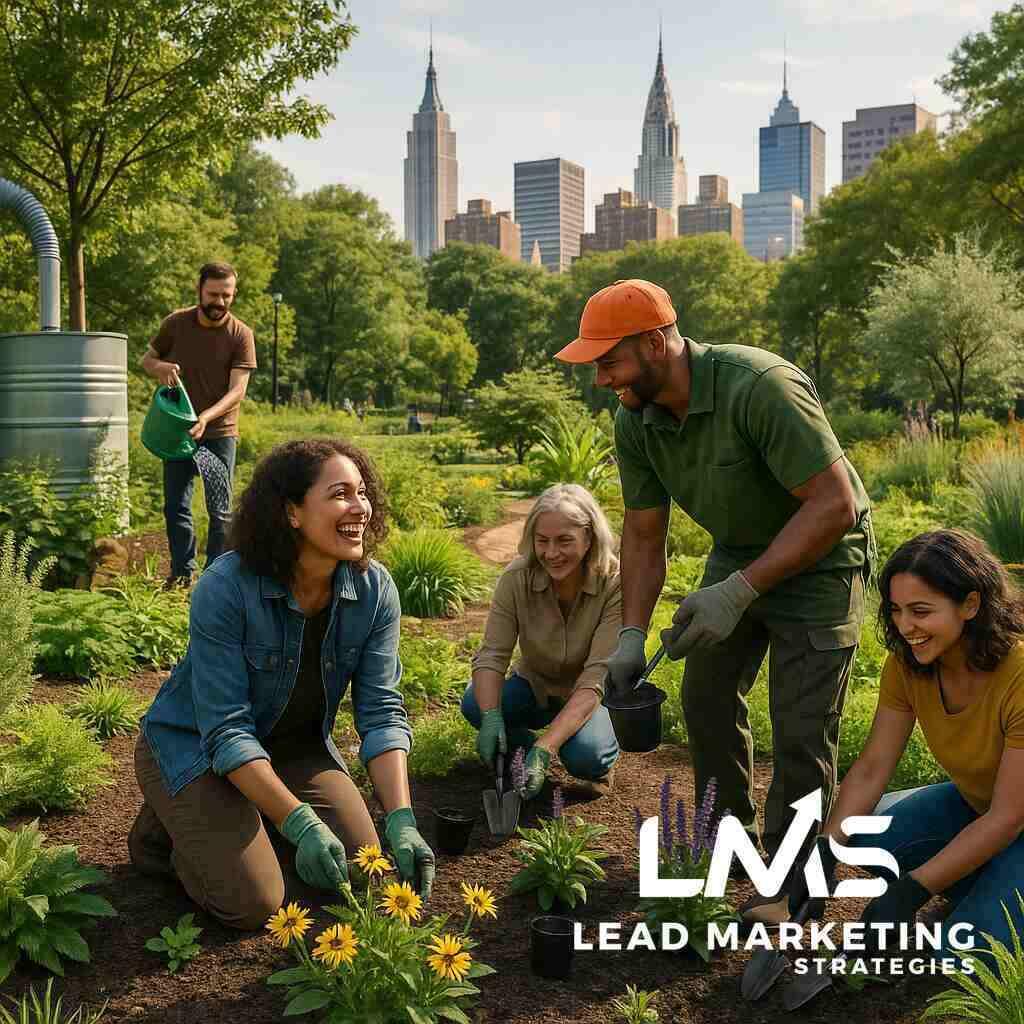
Engaging the community through educational programs empowers residents with valuable skills and fosters local appreciation for horticulture. Hosting workshops on gardening techniques, sustainable practices, or landscape design equips participants with knowledge and encourages active participation in community initiatives. By organizing horticulture workshops and education programs, landscapers demonstrate leadership in promoting environmental stewardship and community well-being, which strengthens their professional standing.
Conducting Community Horticulture Workshops
Community workshops offer interactive opportunities for residents to learn and engage with local horticulture projects. These events facilitate knowledge exchange and provide platforms for landscapers to showcase their expertise, building trust and goodwill. Workshops covering topics such as organic gardening, pest management, or native planting inspire community engagement and involvement, strengthening bonds and aligning landscapers with local environmental values.
Fostering Environmental Stewardship
Promoting environmental stewardship through education and community initiatives positions landscapers as responsible community members dedicated to long-term ecological health. By championing sustainability and raising awareness, landscapers can inspire community-wide participation in conservation efforts. Initiatives such as tree planting drives and community clean-up events underscore landscapers’ commitment to sustainable practices, enhancing their reputation as eco-conscious professionals making tangible impacts on community landscapes.
6) Utilizing Social Media for Community Engagement
Creating Community-Focused Landscaping Content
Developing and sharing engaging content on social media platforms enables landscapers to reach wider audiences and foster community interaction. Curating content that highlights local projects, seasonal tips, or community initiatives positions landscapers as informative and relatable professionals. Featuring stories that resonate with local audiences enhances community networking for landscapers and creates valuable online engagement.
Engaging with Local Audiences Online
Maintaining an active online presence facilitates direct communication between landscapers and community members, fostering relationships built on trust and transparency. Responding promptly to inquiries, sharing behind-the-scenes content, and participating in local discussions humanize landscapers and attract a loyal following. Online engagement strengthens brand loyalty and allows landscapers to showcase their commitment to serving local needs, ultimately building trusted business relationships.
Promoting Neighborhood Landscape Events
Social media provides landscapers with effective channels to promote neighborhood events and celebrations, increasing visibility and participation. Highlighting events like community clean-ups, garden tours, or workshops draws attention and encourages attendance. Promoting local events reinforces the landscapers’ role as active community participants, enhancing their reputation and elevating neighborhood engagement. To learn more about effective social media tactics, visit How to Master Social Media Tactics for Landscapers Now.
7) Developing Community Garden Projects
Planning and Executing Community Garden Initiatives
Initiating and managing community garden projects allows landscapers to contribute directly to local sustainability and food security. Careful planning and execution ensure gardens meet community needs, serving as educational and recreational spaces alike. By facilitating community garden project development, landscapers deliver tangible benefits and demonstrate their ability to lead impactful projects that resonate with local priorities.
Encouraging Volunteer Programs and Participation
Mobilizing community volunteers promotes active engagement, fostering a sense of ownership and teamwork within garden projects. Landscapers can recruit residents and local organizations to participate in planning, planting, and maintenance efforts, which strengthens community bonds. Volunteer programs provide opportunities for skill-building and community interaction, enhancing community spirit and landscape upkeep while empowering residents to take on stewardship roles.
Maintaining Community Gardens for Long-Term Success
Ensuring the long-term success of community gardens requires consistent effort, collaboration, and adaptive strategies. Landscaping professionals can lead by implementing maintenance plans, organizing regular community check-ins, and supporting ongoing educational opportunities. By prioritizing garden health and sustained community involvement, landscapers maintain project momentum and enhance their reputation as committed, capable partners in community development.
Conclusion: Cultivating Community Through Landscaping
Reflecting on the Impact of Community Engagement
Community engagement gives landscaping professionals the opportunity to make a meaningful difference through their work. By fostering deep connections with residents and enhancing public spaces, landscapers contribute to neighborhood vitality and cohesion. These efforts reflect landscapers’ dedication to quality service and sustainable growth, underscoring their key role in community development.
Future Trends in Community Landscaping
Looking ahead, community landscaping will likely embrace innovations that prioritize sustainability, technology, and inclusivity. Future trends may include smart landscape technologies, climate-responsive designs, and regenerative practices that draw on community knowledge and participation. By staying attuned to these developments, landscapers will continue to meet evolving community needs while setting new industry standards.
The Role of Landscapers in Building Stronger Communities
Landscapers bring unique skills and perspectives that are essential for building resilient, vibrant communities. By prioritizing community engagement for landscapers, they foster relationships that enrich both their businesses and the neighborhoods they serve. As integral members of the local landscape architecture community, landscapers forge connections that lay the groundwork for transformative change and enduring partnerships.
Frequently Asked Questions
Question: How can sustainable garden practices enhance community impact according to the blog post ‘Top 7 Community Engagement Tips for New York Landscapers 2026’?
Answer: The blog post emphasizes the importance of sustainable garden practices in enhancing community impact by promoting environmental sustainability and supporting local biodiversity. Utilizing eco-friendly landscaping ideas, native plants, and water-efficient systems not only reduces environmental footprint but also attracts eco-conscious clients. Landscaping Marketing Strategies can aid landscapers by providing marketing techniques that highlight these sustainable efforts, resonating with community values and boosting your reputation.
Question: What role does local landscaper networking play in business growth?
Answer: Local landscaper networking is a powerful tool for business growth, as highlighted in the blog. By participating in community events and joining local business associations, landscapers can enhance visibility and credibility, leading to new client referrals and collaborative opportunities. Landscaping Marketing Strategies offers expertise in crafting digital marketing strategies that strengthen these networks, ensuring you stay informed about community trends and are positioned as a leader in landscape architecture.
Question: In what ways can Landscaping Marketing Strategies assist with public space landscaping efforts?
Answer: Investing in public space landscaping has numerous community benefits, including increased biodiversity and improved air quality. Landscaping Marketing Strategies can support these efforts by enhancing your online presence with effective landscaping SEO services and content tailored to highlight your public projects. This will increase community awareness and solidify your role as a leader in urban green space development.
Question: How can seasonal landscaping strategies improve community appeal?
Answer: Seasonal landscaping strategies are crucial for maintaining year-round aesthetic appeal. By incorporating seasonal plants and maintenance plans, landscapers can address specific climate challenges, showcasing their expertise in the process. Landscaping Marketing Strategies provides tailored SEO and digital marketing services that highlight your seasonal adaptability, ensuring your business remains at the forefront of neighborhood beautification initiatives.
Question: Why is resident engagement vital in landscaping projects, and how can it be enhanced?
Answer: Resident engagement ensures landscaping projects resonate with community needs, fostering a sense of ownership and satisfaction. It involves soliciting community input and actively involving residents in project planning. Landscaping Marketing Strategies can strengthen your digital presence by emphasizing your community-driven approach through targeted social media campaigns and local SEO, building trust and solidifying your reputation as a community-focused landscape professional.

The Landscaping Marketing Strategies Team
Our team of marketing experts specializes in helping landscapers grow their businesses through strategic digital marketing, SEO, and customer acquisition.
View all articles