

Service area pages rank when they prove you actually work in that place, solve the jobs people buy there, and give Google enough unique local signals to trust the page. If your landscaping page feels generic, it usually gets ignored; if it sounds local, specific, and useful, it can bring in calls from nearby towns fast.
If you are staring at a blank page because your calls are too quiet, that feeling makes sense. This part is genuinely confusing for most owners. One landscaper in Commack can show up in nearby searches while another gets buried, even when the crews and trucks are about the same size. The difference is usually the page, not the mower.
Key Takeaways
- Service area pages work best when they match local intent, mention real neighborhoods, and describe the exact landscaping jobs people hire for in that market.
- Thin city pages fail because they repeat the same copy with swapped place names, which gives Google little reason to rank them.
- For Long Island landscaping SEO, your pages need neighborhood-level detail, strong trust signals, and clear service proof for both residential and commercial buyers.
- The best pages use area-specific keyword targeting naturally, not as stuffing, and they connect to your Google Business Profile, photos, and local reviews.
- If you serve multiple towns, one strong service area page often beats five weak duplicate pages.
Why some service area pages rank while others vanish in local search
The hidden reason a landscaper in Commack gets calls from nearby towns while another loses to bigger brands
A landscaper in Commack can outrank a larger brand in a nearby town when the page shows local experience, nearby project examples, and a clear match to the searcher’s need. Google tends to reward pages that feel grounded in one service area, especially when the business has consistent NAP details, local reviews, and a strong local SEO for landscapers setup.
Here is the part most owners miss: a page does not rank just because the town name appears in the title. It ranks because the page helps the searcher decide. If someone is looking for lawn care SEO, landscape maintenance marketing, or tree service marketing in a specific place, they want proof that you actually work there and understand the property types, soil, and seasonal pressure.
I have seen this play out on Long Island more than once. A page that named Commack, Huntington, and Smithtown in one breath usually lost to a tighter page that spoke plainly about one town, one service area, and one type of customer.
What Google is really looking for on location page SEO for landscapers and why thin pages get ignored
Google looks for usefulness, uniqueness, and local relevance. That means your page needs more than a town name and a list of services. Strong location page SEO for landscapers usually includes local phrases, service detail, trust cues, and enough original copy to prove the page is not a copy-and-paste clone.
A thin page often fails for three reasons:
- It repeats the same wording across every city page.
- It does not explain what jobs you actually do in that area.
- It leaves out local proof, like photos, reviews, or a Google Business Profile cue.
Google’s advice on helpful content and local relevance lines up with this. The U.S. Census business data and local search studies both show that service businesses compete in dense, nearby markets, so generic copy rarely earns attention. A good service area page should answer the searcher’s real question quickly: can this company help me here with my kind of property?
How local landscaping SEO changes when you serve Long Island neighborhoods versus statewide markets
Local landscaping SEO on Long Island works differently than statewide SEO because the search area is tighter and the competition is more crowded. In Nassau and Suffolk, people often search by town, hamlet, or neighborhood, not just by county. That means your page should use neighborhood SEO for landscapers, not just broad city pages.
If you serve statewide markets, the approach shifts. You may need broader service area landing pages with stronger category signals, clearer service lines, and more general proof of scale. For a local firm in Commack, the better move is usually to build one page per service cluster, then support it with nearby town mentions and service proof. For a larger operation serving New Jersey and beyond, you may need a deeper landscaping marketing plan and more organized internal linking.
The page blueprint that turns one service area into a lead magnet
How to choose the right city and neighborhood targets without creating duplicate city-specific SEO pages
Choose service areas based on where you already get leads, where your crews can serve efficiently, and where the local competition is winnable. Do not build city-specific SEO pages just because a map shows many towns nearby. Pick the places where your landscaping business promotion can feel real, not forced.
A simple way to decide:
- List the towns and neighborhoods where you already complete jobs.
- Group nearby places with similar property types and service demand.
- Build one strong page for each meaningful area, not every dot on the map.
- Avoid duplicating the same paragraph structure with only the town name changed.
Page choiceBest useRisk if done poorlyOne strong area pageEstablished service zone with real jobsNone, if the copy is uniqueMany duplicate city pagesLarge regional coverageThin content and indexing issuesNeighborhood-focused pageDense local market like Long IslandOverlap if towns are too similarThis is also where a landscaping marketing agency can help. At Landscaping Marketing Strategies, based in Commack, NY at Northgate Shopping Center, we often see that fewer, better pages outperform a pile of weak ones. That holds true whether the client is a local mower route or a company serving all 50 states.
What to say in the opening copy so your landscaping service area pages sound local, not generic
Your opening copy should say who you serve, what you do, and why that area is a fit for your crew. Start with the local problem the reader actually has. For example, if you handle residential lawn care marketing and commercial landscaping marketing, your intro should separate those needs right away instead of dumping every service into one pile.
A strong opening usually includes:
- The town or neighborhood name in the first sentence.
- The main service category, such as lawn care SEO, hardscaping marketing, or irrigation marketing.
- A local proof point, like nearby properties, common yard types, or seasonal issues.
- A simple reason to contact you now.
One of the better pages we helped shape for a Long Island client mentioned salt exposure near coastal properties, patchy turf from shade trees, and the need for scheduled maintenance on narrow lots. That copy did not sound fancy. It sounded true. And true copy converts.
You can also strengthen the page with a few trust signals. Mention your Google Business Profile for landscapers, show project photos, and keep your NAP consistent across the site and listings. If the page supports landscaping website design well, it feels local before the reader even reaches the form.
A service area page should feel like a conversation with a local buyer, not a brochure. If you want more calls from nearby towns, build one clear page for one clear area, then write like someone who has actually worked those properties. If you need help shaping that structure, Landscaping Marketing Strategies in Commack can help you turn your local pages into steady lead sources without making them sound generic.
Frequently Asked Questions
How do you write service area pages for landscaping SEO?
Write them around one location, one main service need, and one clear reason to trust you. Use local terms naturally, mention nearby neighborhoods, and explain the jobs you do there. A good page answers who you serve, what you offer, and why you are a fit for that area. 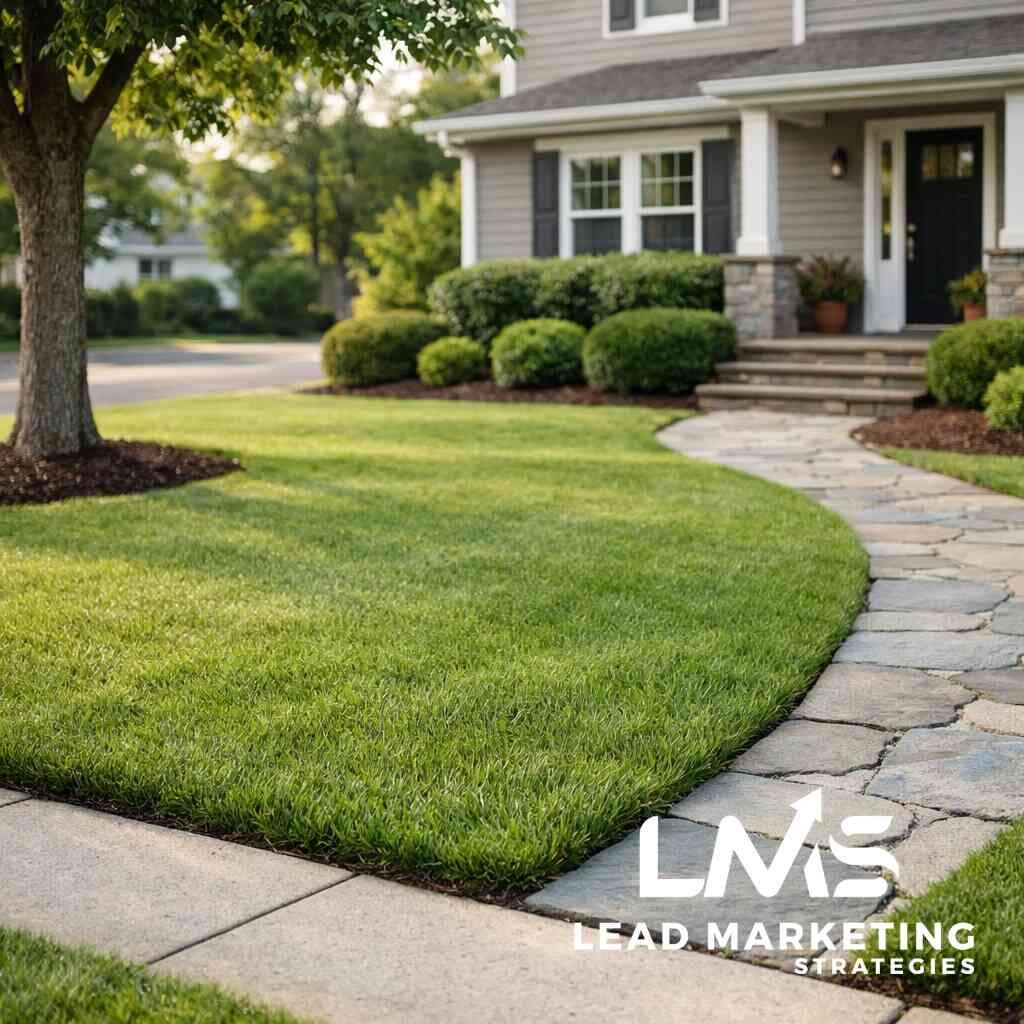
How many service area pages should a landscaper have?
Start with the areas where you already work and where you can show real proof. For many local companies, 3 to 8 strong pages beat 20 thin ones. If your copy starts sounding repetitive, you have probably gone too far.
What should be on a landscaping service area page?
Include the town name, service summary, project photos, reviews, contact details, and a short section on the types of properties you serve. Add internal links to related service pages like lawn care SEO specialists or commercial landscaping marketing when relevant.
Why do city pages get indexed but not ranked?
Indexing means Google found the page. Ranking means Google trusts it enough to show it. Thin pages, duplicate copy, weak internal links, and poor local signals often lead to indexing without real visibility.
Should I target neighborhoods or cities for local landscaping SEO?
Target both, but only where it makes sense. In dense markets like Long Island, neighborhood pages can outperform broad city pages because people search by local landmarks and nearby towns. In wider service areas, city pages may be easier to manage.
Can service area pages help with lawn care lead generation?
Yes. They are one of the most reliable tools for lawn service lead generation when they match local intent and support your wider landscaping content marketing efforts. They work best when paired with strong calls to action, reviews, and a well-built service page.
How do I know if my service area pages are working?
Track calls, form fills, map visibility, and landing page traffic by town. If a page gets visits but no inquiries, the copy may be too generic or the call to action may be weak. If it gets no traffic, the page may need stronger local relevance and better internal linking.
If you want a second set of eyes on your pages, we can help. Landscaping Marketing Strategies works with landscapers, lawn care companies, and local service businesses from Commack to nationwide routes. Call +1 833-532-3100 or download the Landscaping Marketing Strategies app to book a consultation and keep your next page project moving.

The Landscaping Marketing Strategies Team
Our team of marketing experts specializes in helping landscapers grow their businesses through strategic digital marketing, SEO, and customer acquisition.
View all articles